Imfinzi plus chemo improves survival in gastric cancer
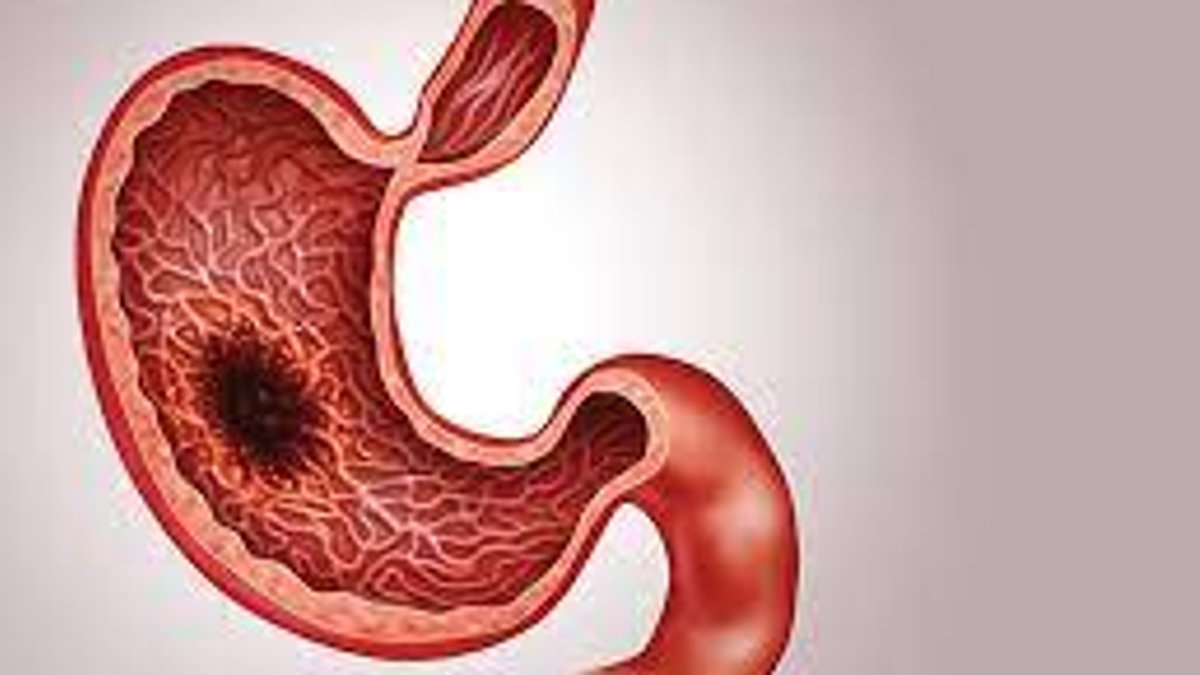
The phase 3 MATTERHORN trial showed that adding a checkpoint inhibitor to standard chemotherapy can improve outcomes for patients with resectable gastric or gastroesophageal junction (GEJ) adenocarcinoma. Results published in The Lancet indicate that patients treated with Imfinzi (durvalumab) plus chemotherapy had a higher three-year survival rate than those receiving chemotherapy alone. The FDA approved Imfinzi for this specific indication in November 2025 based on these findings.
Survival rates improved with the combined regimen
Among the 948 patients in the study, those who received Imfinzi plus chemotherapy had a 69% three-year survival rate, compared to 62% for the chemotherapy-only group. This translates to a 22% reduction in the risk of death with the combination treatment. The benefit was consistent across different patient subgroups, regardless of PD-L1 protein levels in the tumors. Patients whose cancer had spread to nearby lymph nodes before treatment saw a 27% lower risk of death with Imfinzi, while the difference between groups was not statistically significant for patients without lymph node involvement.
Imfinzi also appeared to enhance the effectiveness of the surgical procedure itself. Researchers found that a pathological complete response, defined as no viable cancer cells remaining after surgery, occurred in 24% of patients treated with the combination compared to 9% in the chemotherapy-alone group. A major pathological response, where only isolated cancer cells remain, happened in 33% of the Imfinzi patients versus 18% of the others. Patients were also more likely to have no cancer detected in their lymph nodes following surgery in the Imfinzi group, at 58% compared to 45%. Event-free survival, the amount of time patients lived without their cancer growing, returning or causing death, also favored Imfinzi among patients who had some degree of pathological response.
Treatment details and safety profile
The study included patients with stage 2 to stage 4a gastric or GEJ adenocarcinoma who had not previously received cancer treatment. Participants received two cycles of the FLOT chemotherapy regimen—fluorouracil, leucovorin, oxaliplatin, and docetaxel—before surgery, followed by two cycles after surgery. They then continued with either Imfinzi or a placebo for an additional 10 cycles without chemotherapy. Doctors were able to completely remove the tumor in 92% of patients who underwent surgery in both groups.
Related Post: Mother’s Plea for Ovarian Cancer Awareness to Save Daughters
Safety data indicated that the combination was generally well tolerated, though it did introduce specific immune-related side effects. Rates of severe side effects were similar between the groups, with Grade 3 or 4 events occurring in 72% of the Imfinzi group and 71% of the chemotherapy group. However, immune-related adverse events, such as diarrhea, nausea, and white blood cell disorders, were more common with Imfinzi at 23% compared to 7% with chemotherapy alone. These side effects caused 30% of patients in the Imfinzi group to discontinue treatment at least partially, compared to 23% in the other group.
Study limitations and future outlook
Researchers noted that some analyses focused only on patients who underwent surgery, a subgroup that may have a better prognosis than the overall trial population. Additionally, the study did not include patients from several countries with high rates of gastric and GEJ cancer, including China. Black patients were also underrepresented in the dataset. These factors could affect the generalizability of the results to all patient groups worldwide.
Despite these constraints, the findings present a new treatment option for individuals with resectable gastric or GEJ adenocarcinoma. The FDA approved Imfinzi for this indication in November 2025. The research team plans to continue following patients to evaluate five-year survival rates and study biomarkers that could help identify which patients are most likely to benefit from the treatment.

Girl shares leukemia treatment experience


