Boost your lymphatic health with these tips
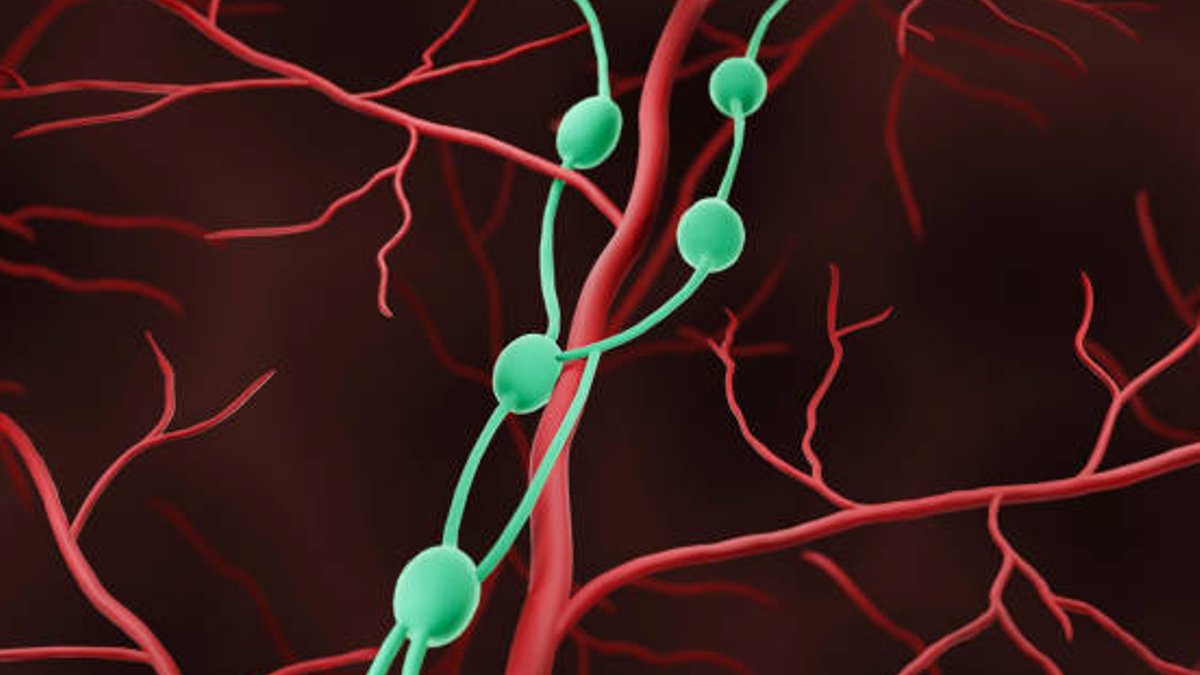
The lymphatic system functions as the body’s drainage network, removing waste from cells and maintaining fluid balance. Without it, swelling would occur, infections would spread rapidly, and recovery from illness would slow significantly.
How the lymphatic system works
The system consists of the spleen, thymus, tonsils, and hundreds of lymph nodes. These organs produce and store lymphocytes, white blood cells that target bacteria, viruses, and abnormal cells. Lymph fluid, a clear liquid similar to plasma, transports these cells through vessels running parallel to veins. Unlike blood, which circulates in a closed loop, lymph moves in one direction—from tissues back toward the heart—driven by muscle contractions and breathing.
A well-functioning system removes excess fluid, filters waste, and delivers immune cells where needed. When it fails, fluid accumulates, leading to swelling called lymphedema.
Daily habits to support lymphatic health
The system depends on fluid to transport waste; dehydration causes lymph to thicken and move slowly. Aim to drink at least eight glasses (64 ounces) of water per day to support hydration and facilitate the removal of toxins from the body.
Related: Best Foods to Eat Before Sleeping Tonight
A healthy diet rich in fruits, vegetables, whole grains, lean proteins, and healthy fats provides essential nutrients and antioxidants that support lymphatic health. Include foods with lymph-cleansing properties, such as citrus fruits, leafy greens, berries, garlic, and ginger. Processed foods and refined sugars can contribute to inflammation and hinder lymphatic function.
Since lymph lacks a pump, it relies on muscle contractions to circulate. Regular aerobic exercise, such as brisk walking, jogging, cycling, or swimming, and strength training exercises support overall lymphatic system health.
Deep breathing exercises like diaphragmatic breathing or yoga can help stimulate lymphatic flow and reduce stress. Relaxation techniques like meditation or mindfulness can promote overall lymphatic system health by reducing stress levels and improving immune function.
Dry brushing involves using a natural bristle brush to brush your skin upward toward the heart gently. This technique helps exfoliate the skin and stimulate lymphatic flow, aiding in removing toxins. Start at your feet and brush upwards towards your chest, focusing on areas with a higher concentration of lymph nodes, such as the armpits and groin area.
Related: Calming techniques to ease stress responses
Gentle massage techniques or specialized manual lymphatic drainage therapy can help improve lymphatic circulation. Consult a trained professional for lymphatic drainage massage if you’re interested in this type of therapy.
Chronic stress can negatively impact the lymphatic system. Incorporate stress management techniques like regular exercise, meditation, deep breathing exercises, and hobbies that help you relax and unwind.
Being overweight or obese can strain the lymphatic system. Adopting a healthy lifestyle that includes regular exercise and a balanced diet can help maintain a healthy weight and support optimal lymphatic function.
These habits don’t require major lifestyle changes. Drinking more water, adding an extra serving of vegetables, or taking a short walk after dinner each contribute to better function. The combined impact of these small actions makes the difference.
Related: Fresh Mediterranean Salad Recipe Released Today
No single solution exists to replace consistent care. The system depends on routine, not quick fixes. While these steps won’t prevent every illness, they create conditions where the body can defend itself more effectively.
People with existing conditions—such as lymphedema, autoimmune disorders, or a history of lymph node removal—should seek professional advice. A physical therapist or specialist can customize exercises, compression strategies, and manual techniques. What helps one person may not work for another, and overdoing certain practices can sometimes worsen symptoms.
The lymphatic system operates silently until problems arise. It doesn’t signal distress like a sore muscle or fever. When it struggles, the body responds with swelling, fatigue, or frequent infections. Addressing these signs early offers the best protection.

Best Foods to Eat Before Sleeping Tonight


