Healthy Sesame Ginger Cabbage Rolls Delight Diners
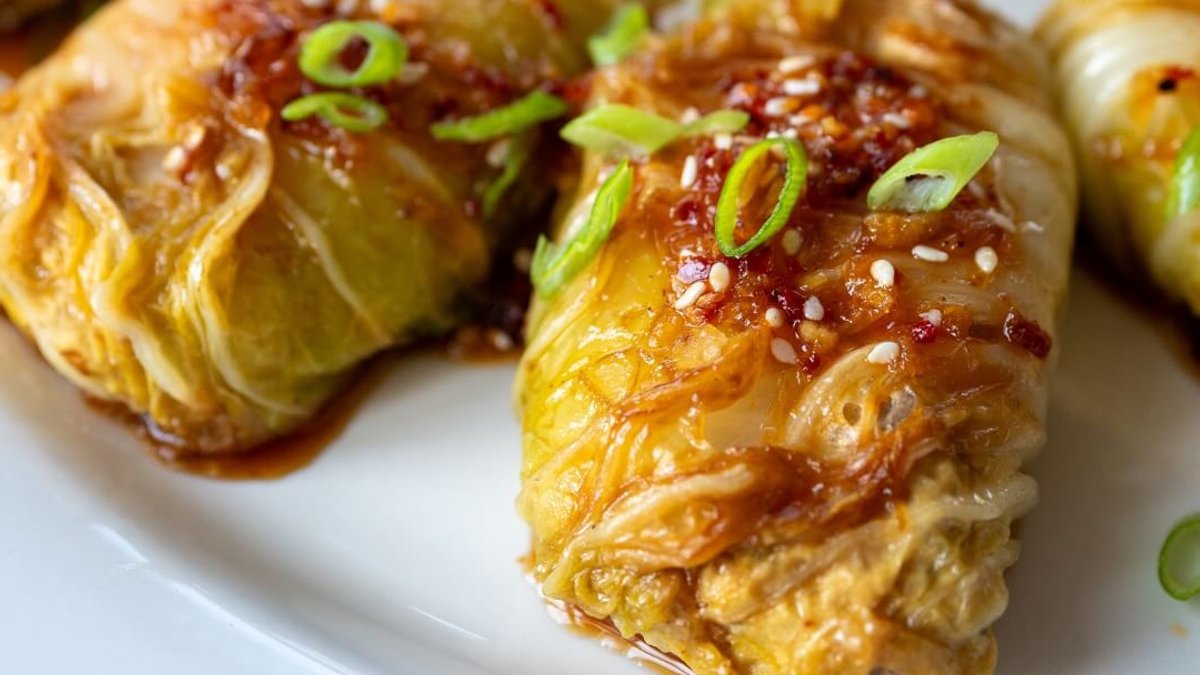
Healthy Sesame Ginger Cabbage Rolls have become a popular alternative for home cooks seeking a quick, protein‑rich dish without processed sauces.
How the rolls are assembled
First, a large pot of water is brought to a boil and 8‑10 large Napa cabbage leaves are blanched for about a minute. The brief heat softens the leaves enough to roll without tearing, then they are cooled in an ice bath and patted dry. If the thick white stem feels stiff, the cook trims it away, which makes the leaf more flexible.
In a mixing bowl, ground chicken, finely diced shiitake mushrooms, pressed garlic, sliced green onions, coconut aminos, toasted sesame oil, freshly grated ginger, rice vinegar, and a pinch of white pepper are combined. The mixture is stirred until evenly distributed, taking care not to overwork the meat.
Each leaf is laid flat, and roughly a third‑cup of filling is placed near the stem end. The sides are folded inward and the leaf is rolled tightly, similar to a spring roll. The process repeats until all leaves and filling are used.
Related: New research reshapes understanding of Earth’s minerals
Cooking and serving
Avocado oil heats in a skillet over medium heat, and the rolls are placed seam‑side down. After two minutes, a quarter‑cup of water is added and the pan is covered. The rolls steam for 10‑12 minutes until the chicken reaches 165°F. The lid is removed for a final minute or two to let excess liquid evaporate and the bottoms crisp.
The dipping sauce is whisked together from coconut aminos, rice vinegar, toasted sesame oil, chili crisp, grated ginger, garlic, and sesame seeds. The sauce is served on the side, providing a salty, slightly sweet, and mildly spicy complement to each bite.
Leftovers keep well in an airtight container for up to three days. Reheating on the stove with a splash of water restores the steam texture without drying the rolls.
Given the simple ingredient list, the recipe can be adapted with ground turkey or pork, shredded carrots, or chopped water chestnuts for added crunch. The flexibility makes the dish suitable for meal‑prep routines as well as spontaneous weeknight meals.
Related: Caroline Alan on resetting cellular health naturally
From a practical standpoint, the use of cabbage instead of traditional wonton wrappers reduces the amount of refined starch while adding a serving of vegetables. This swap also sidesteps the need for store‑bought wrappers, which often contain additives that many home cooks prefer to avoid.
They freeze well.
Overall, the recipe delivers a satisfying blend of textures and flavors while staying within a health‑conscious framework.

New research reshapes understanding of Earth’s minerals


