13 Must‑Know Safety Tips for Factory Workers
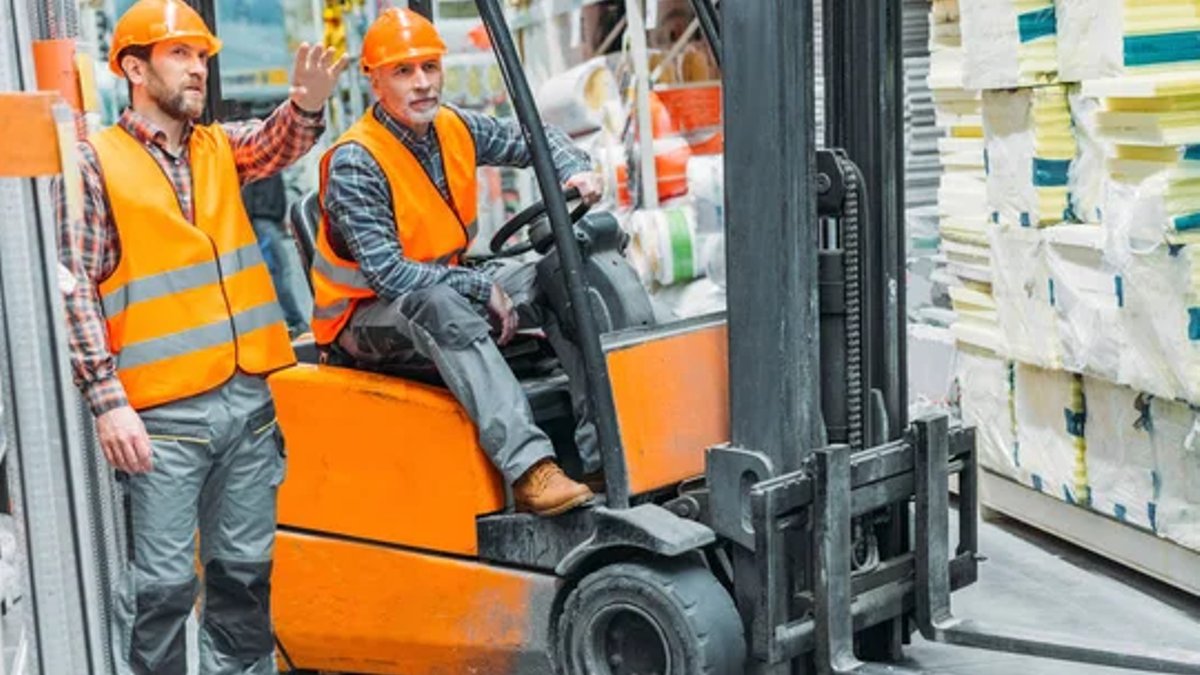
Keeping the 13 key safety and health tips for factory workers front‑and‑center can cut injuries and keep production lines humming, according to the latest safety brief released by industry safety officials.
Gear up and follow the rulebook
First on the list is wearing the right personal protective equipment (PPE) from head to toe. Helmets, safety glasses, gloves and steel‑toe boots must be in good condition and replaced when worn.
Equally important is obeying posted safety regulations. Skipping a lockout‑tagout step or ignoring a warning sign can turn a routine task into a hazardous event.
When handling tools or machinery, workers should stick to the prescribed procedures. That means using eye shields, keeping hands away from moving parts and never improvising with the wrong device.
Any sign of a risk—exposed wiring, a spill, or a broken guard—should be reported immediately. Prompt reporting gives maintenance crews a chance to fix the problem before it leads to an accident.
Maintenance, handling and environmental care
Regular checks on machines catch faults early. A simple visual inspection can reveal cracked hoses or loose bolts that might otherwise cause a sudden breakdown.
Related: 10 Health Tips Every Driver Should Know
Staff members who are unfamiliar with a particular piece of equipment should not operate it. Instead, they must request training or ask a qualified colleague for assistance.
Open electrical zones need to stay clear of combustible material. Keeping tools and debris away from live circuits reduces the chance of fire or electrocution.
Clean aisles and unobstructed exits are a must for quick evacuation. A tidy floor also cuts down on dust that can irritate eyes and lungs, especially in plants that generate fine particles.
Proper lifting technique protects the back. Workers should bend at the knees, keep the spine neutral and avoid twisting while hoisting heavy loads.
Fatigue silently raises the odds of mistakes. Short, regular breaks—ideally five minutes every hour—let the body rest, stretch and hydrate, which in turn sharpens focus.
Good hygiene practices, such as washing hands before meals and after handling raw materials, keep contagious illnesses at bay. Hand sanitizer stations add an extra layer of protection when soap isn’t handy.
Handling chemicals responsibly is non‑negotiable. Reading labels and Material Safety Data Sheets, using gloves and respirators, and storing substances in designated containers prevent accidental exposure.
Related: Homemade watermelon gummies boost hydration naturally
One might wonder whether these measures will truly change daily habits. Realistically, the biggest hurdle is consistency; even well‑written guidelines falter if workers forget to apply them after a busy shift. Continuous reinforcement through short briefings and visible reminders could help embed the practices into routine behavior.
Ergonomics, mental health and ongoing vigilance
Ergonomic workstations lower the risk of repetitive‑strain injuries. Adjustable height tables and anti‑fatigue mats let employees maintain neutral postures throughout long shifts.
Stress management also plays a role in overall safety. Access to quiet break rooms and clear channels for reporting concerns can reduce mental fatigue that often precedes physical errors.
Maintaining a clean environment goes beyond sweeping floors. Regular air‑filter checks and proper ventilation keep airborne contaminants from building up, which is especially important in plants that process powders or fumes.
When an emergency occurs, the response plan must be rehearsed regularly. Drills that include both evacuation routes and shutdown procedures ensure everyone knows their role.
Finally, the record shows that plants that consistently apply these guidelines see fewer lost‑time injuries and lower workers’ compensation costs, according to the report’s compiled statistics.

10 Health Tips Every Driver Should Know


