Making Sleep Safer for Loved Ones With Complex Needs
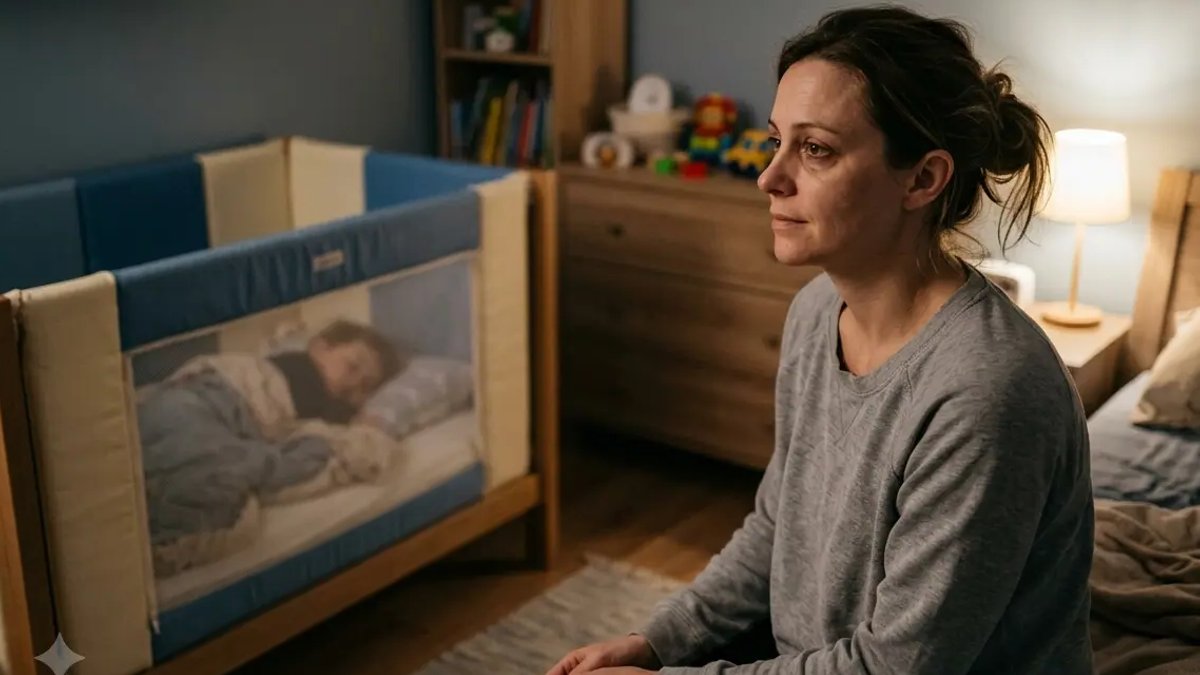
Bedtime often feels like a gamble for families caring for a loved one with complex needs. While most people worry about a blanket being stolen, parents of children with autism or seizure disorders face a different reality. For them, the hours after the lights go out are a constant vigil, filled with the stress of monitoring for wandering, climbing, or sudden medical events. This level of constant alertness turns sleep from a simple rest period into a full-time job.
Sleep deprivation is not just an inconvenience; it is a documented health risk. Research shows a clear link between chronic lack of rest and higher blood pressure, weight gain, and weakened immunity. The mental health impact is equally significant. Caregivers who lose sleep protecting someone else are putting their own long-term wellbeing at real risk. When a caregiver’s health erodes, the safety of the person they care for often suffers in turn.
Related: Help a Loved One Adjust to Mobility Loss with Expert Tips
Most families do not mention the personal sacrifice until it becomes unavoidable. Some parents have spent years sleeping on the floor outside a bedroom door. Others set alarms every ninety minutes to check on their loved one. These sacrifices happen because standard safety measures often fail when the risks are highest. A determined climber can easily get over a standard bed rail. A gate does not protect someone who has a seizure in the hallway. Standard equipment, designed for typical households, cannot handle the specific behaviors of a high-risk sleeper.
For individuals with autism, nighttime wandering is a documented crisis. The National Autism Association has highlighted how frequently elopement becomes a genuine emergency, often occurring when caregivers are least likely to be awake enough to intervene. The risks go beyond simple physical injury. A wandering child in an open home faces dangers that standard gates cannot prevent. Furthermore, sensory processing differences can make a typical bedroom feel overwhelming. An echoey room or a drafty corner can keep someone awake, which in turn makes them more restless and mobile during the night.
Specialist equipment offers a different approach. Safety beds are built specifically for people who climb, wander, or experience seizures. Unlike standard beds, they feature reinforced padded panels and breathable materials. Some models even include viewing panels, allowing caregivers to check on a sleeper without opening the bed structure. This design creates a contained, predictable environment. Studies suggest that reducing spatial uncertainty at night can meaningfully improve sleep duration and reduce disturbances. When the environment is safer and more consistent, the individual tends to settle faster and stay asleep longer.
Related: Why Do Dentists Recommend Dental Crowns?
The physical demands of caregiving contribute significantly to musculoskeletal injuries. Most of these injuries happen during transfers between bed and chair. Height-adjustable safety beds reduce the need for bending and lifting, which protects the long-term health of the person doing the caring. Small design choices add up over years of daily use. When the bed is built around the individual rather than the other way around, it changes the dynamic of the entire household.
Choosing specialist equipment is not a sign of failure. It is the same logic as using a stair gate or a smoke alarm. It is a practical step to remove a known risk. Families who make this change often report a household that feels calmer during the day. When the constant fear of a crisis is reduced, caregivers have more energy to enjoy the person they love rather than just protecting them. Safe sleep is health for everyone in the room, regardless of where they lie down. [1] Help a Loved One Adjust to Mobility Loss with Expert Tips

Help a Loved One Adjust to Mobility Loss with Expert Tips


