Help a Loved One Adjust to Mobility Loss with Expert Tips
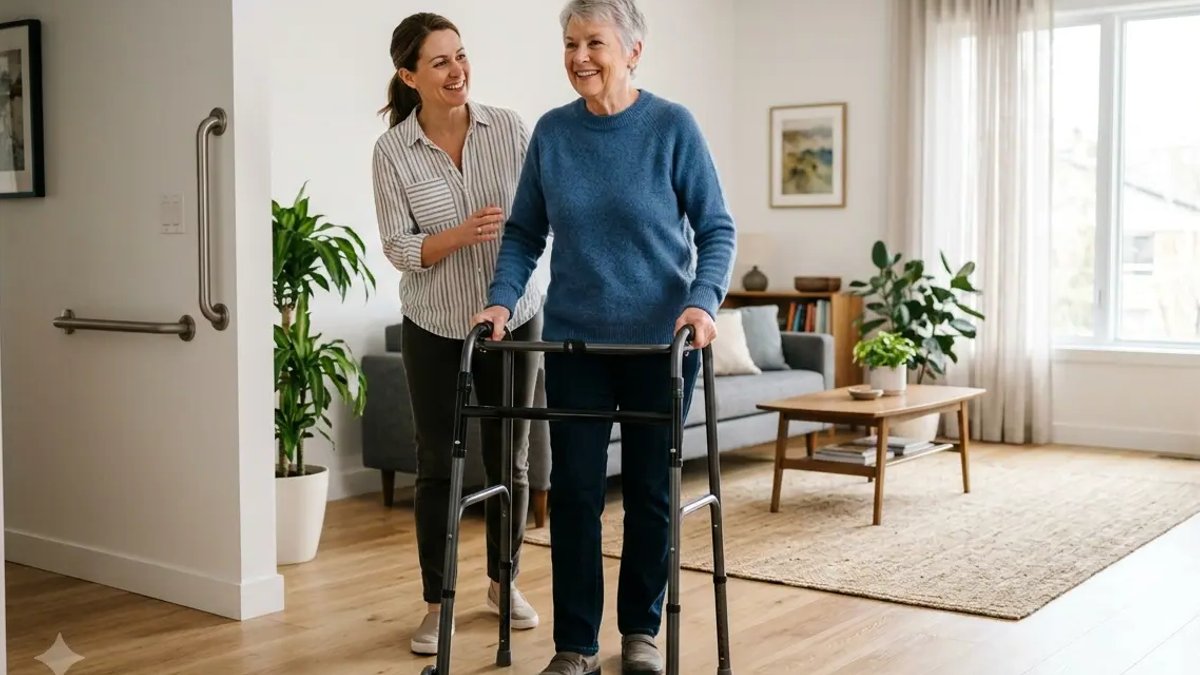
Mobility loss changes much more than a person’s ability to move. It affects confidence, independence, relationships, and emotional well-being. Families can make recovery easier by creating a safe home, encouraging independence, recognizing emotional challenges, adapting support over time, and connecting loved ones with professional resources. The most meaningful support comes from listening, staying flexible, and protecting dignity throughout the recovery journey.
The emotional wreckage from mobility loss can land just as heavily as the physical stuff. Grief, raw frustration, and fear about what tomorrow looks like often follow a sudden change in ability. Your loved one may dread becoming a burden, or feel the walls closing in as their world contracts. These aren’t overreactions.
They are honest, proportionate responses to losing control over your own body. Emotional adjustment isn’t a side issue to recovery; it’s woven directly into it. Compassion first. Problem-solving second.
Creating a safer environment and supporting independence at home
One of the most concrete things you can do is fix the space. Clear out tripping hazards, put grab bars in the bathroom, and widen pathways so mobility devices actually fit through without drama. Good lighting matters more than most people assume, it cuts fall risk and quietly reduces the anxiety of moving through a home that suddenly feels foreign.
Rearrange furniture to shorten unnecessary distances. Store everyday items at reachable heights. Small tweaks, but they signal something beyond practicality: you take their needs seriously, and you’re invested in their independence, not just their safety.
Helping someone after mobility loss requires balance. Providing too much assistance can unintentionally slow recovery, while providing too little can increase frustration and safety risks. The right level of support changes as recovery progresses.
Caregivers naturally want to make life easier. However, solving every problem for your loved one can sometimes prevent them from rebuilding confidence. Allowing someone to complete safe tasks independently reinforces problem-solving skills and encourages continued progress. At the same time, independence should never come at the expense of safety.
The hidden challenges families often notice too late
Not every obstacle is physical. Many people regain strength while quietly losing confidence. Fear of falling after an injury may stop someone from leaving home even after receiving medical clearance. Embarrassment about using mobility devices can reduce social interaction. Some people gradually stop participating in hobbies because they assume those activities are no longer possible.
Caregivers should also watch for signs of burnout in themselves. Supporting another person every day can become emotionally exhausting, especially when balancing work, parenting, and household responsibilities.
Supporting the individual instead of following a fixed caregiving formula often leads to better long-term outcomes. The best caregivers avoid assumptions. They ask questions, listen carefully, and adjust their support as circumstances change.
When professional support can make recovery easier
Your support matters, but it has limits. Occupational therapists specialize in helping people rebuild practical strategies around new physical realities. Support groups connect your loved one with people who actually understand, not just people who sympathize from the outside. Counselors trained in life adjustment offer real tools for processing grief and building resilience.
Families managing consistent daily care often turn to home care services for seniors to provide safe, dignified help with everyday tasks. Community organizations frequently keep lists of local caregiving resources, adaptive equipment suppliers, and services built around independence. Your job is helping them access those options, not taking over the search yourself.
Recovery rarely follows a straight line. Some people improve steadily. Others experience setbacks, plateaus, or changing medical needs. Planning allows families to respond with confidence rather than react in a crisis. Experienced caregivers review support plans regularly rather than assuming today’s solutions will always work tomorrow.
Review these areas every few months: home accessibility and fall prevention, fall prevention strategies, medical appointments, rehabilitation goals, transportation needs, caregiver responsibilities, community resources, and emergency plans. Small adjustments made consistently often prevent much larger problems later.
One specific risk that can undermine safety is the failure of devices meant to protect against fire. Dust buildup can silence smoke alarms, turning a warning system into a silent danger.
Another consideration involves body contouring procedures for those who have undergone significant weight loss. Is a tummy tuck right for you? This question may arise when excess skin remains after physical healing.

Dust buildup can silence smoke alarms


