Brisk Walking Mitigates Mortality Risk Even with Fewer Steps
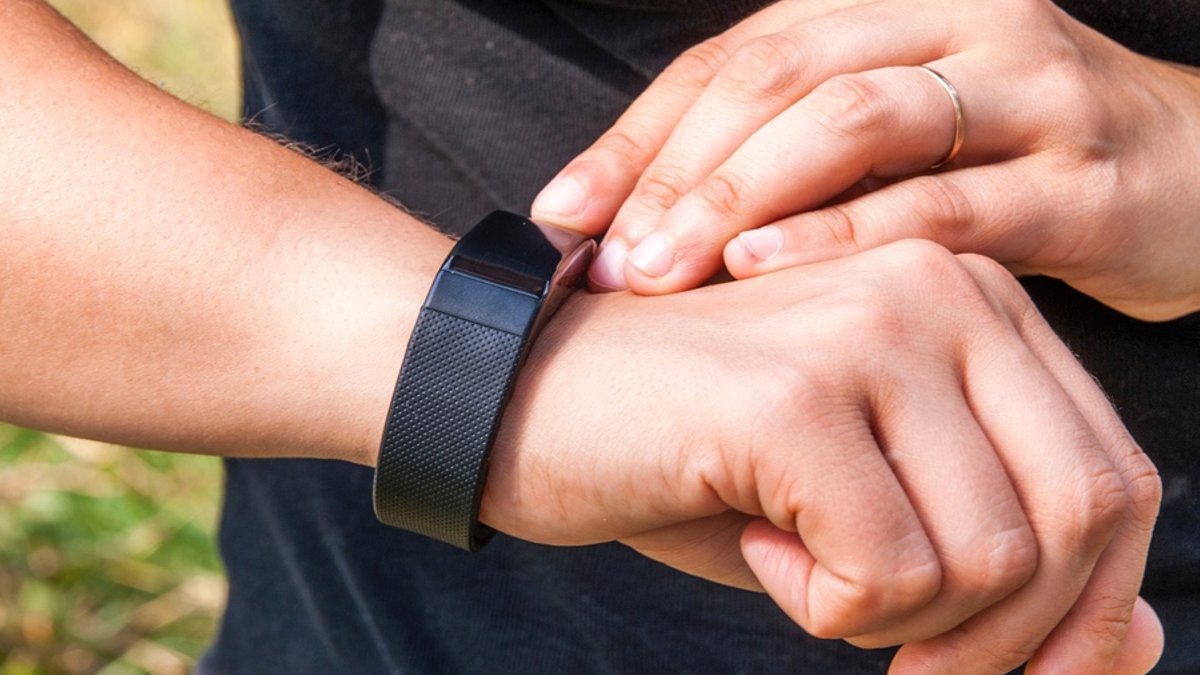
Both the length of time spent walking and the speed at which a person walks affect the risk of dying, and the two variables can partially make up for one another, according to recent research carried out by Australian scientists. The results indicate that individuals who are unable to reach the commonly cited goal of 10,000 steps each day may still obtain health benefits if they walk at a faster pace, providing a realistic alternative to the standard step target.
The team from the University of Sydney examined information drawn from the United Kingdom’s Biobank, a massive repository that stores health records and genetic data for hundreds of thousands of adults living in Britain. They narrowed their focus to almost 104,000 men and women in middle age who had been asked to wear wrist-mounted activity monitors for a full week between the years 2013 and 2015. Those devices logged both how many steps were taken each day and the intensity of each stride.
Read Also: Air Pollution Linked to Increased Rheumatoid Arthritis Flares
Step Count and Mortality Risk
Researchers followed the health outcomes of the participants up to November 2022, ultimately including 64,500 people in the specific analysis that linked step totals to death rates. They sorted the cohort into four categories based on the number of steps recorded each day and also computed each participant’s average steps per minute during the most active 30-minute window, a measure they called “peak-30 cadence.”
The analysis revealed that the lowest risk of death was observed among those who averaged between 7,500 and 10,000 steps per day, and this relationship held true regardless of how quickly they moved. Among participants whose daily totals fell below 5,000 steps, those who managed to maintain a cadence of at least 80 steps per minute experienced a markedly lower risk of dying compared with slower walkers. That reduction in risk was comparable to the risk seen in individuals who logged between 5,000 and 7,500 steps while moving at a more modest pace of roughly 60 steps per minute.
Read Also: Nighttime Light Exposure Linked to Heart Disease
Implications for Physical Activity
Walking at a higher speed for a minimum of 30 minutes each day was associated with a stepwise decline in overall mortality among people whose step counts were under 7,500 per day. The same trend was evident when the researchers looked specifically at deaths caused by cardiovascular disease. A brief, brisk walk could therefore help people who have limited time or who find it difficult to accumulate large step totals, although the authors cautioned that the observational design of the study does not allow for firm conclusions about cause and effect.
The investigators also pointed out that variables unrelated to walking habits—such as diet, socioeconomic status, or pre-existing medical conditions—might have contributed to the observed associations. Corresponding author Emmanuel Stamatakis, a professor at Monash University in Melbourne, emphasized the importance of flexibility in public-health messaging, stating, “Step targets need not look identical for everyone, and people who cannot walk far, or cannot walk quickly, still have a route to lower risk.”

Air Pollution Linked to Increased Rheumatoid Arthritis Flares


