Eco Friendly Toilet Cleaner Hits the Market
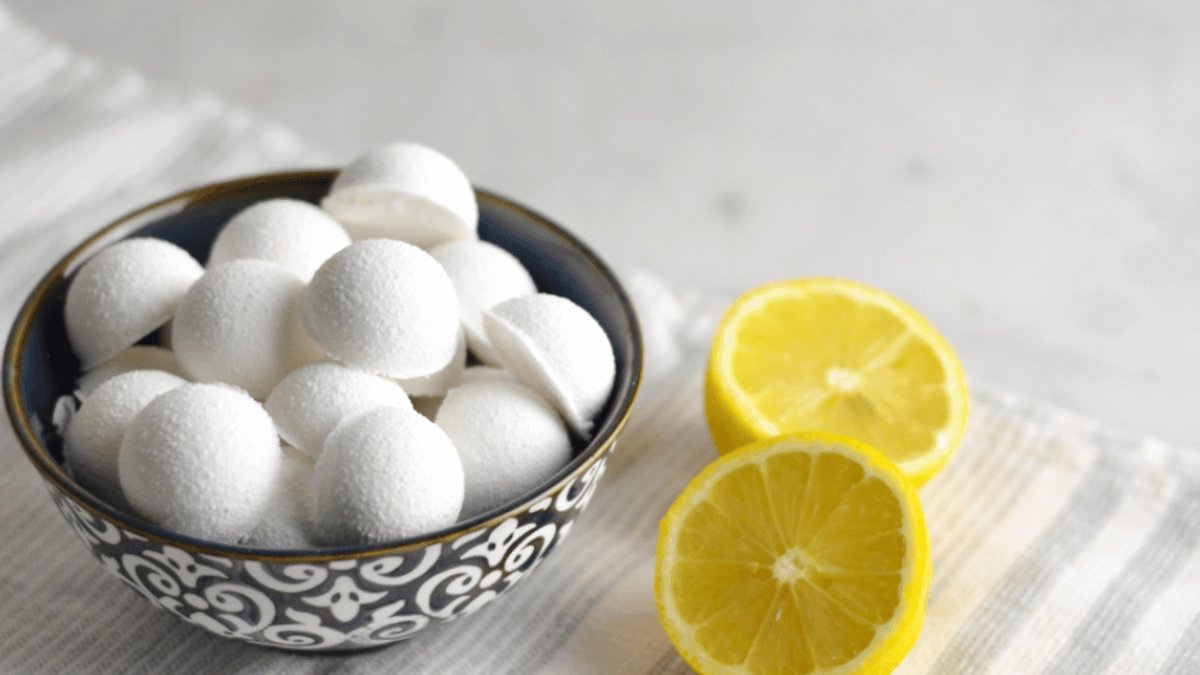
Natural toilet bowl cleaner tablets have become a DIY alternative for homeowners seeking a low‑cost, food‑grade solution to keep their bathrooms fresh. The method, originally discovered by accident, uses simple ingredients—baking soda, citric acid, and essential oils—to create a fizzing tablet that can be dropped into the bowl and left to work.
They are cheap and safe.
How the idea originated
The creator recounts that the concept emerged when a one‑year‑old child tossed a batch of unfinished bath fizzies into the toilet. While initially annoyed, the parent observed that the fizzing pieces seemed to lift grime as they dissolved. “I used the toilet brush to make sure they had all dissolved and when I flushed the toilet, I was shocked how clean it was,” the account notes. This observation prompted experimentation with the original bath‑bomb formula, adjusting it for a stronger cleaning effect that does not need to be skin‑friendly.
Recipe and preparation
According to the guide, the basic mixture calls for 2 cups baking soda and ⅔ cup citric acid, combined in a glass bowl. Optional safety gear—gloves and a mask—is recommended to protect skin and eyes from the fine powders. The mixture is then flavored with 60 drops essential oils, typically an equal split of lemon and orange.
Related: Broccoli Cheddar Egg Bake Offers High Protein
Portions are spooned onto parchment paper or placed in silicone molds, then left to dry overnight. Once hardened, the tablets are stored in an airtight glass jar, where they can remain viable for several months. Users typically drop a single tablet into the bowl, allowing it to sit and fizz before scrubbing with a brush if desired.
Effectiveness and safety considerations
Baking soda acts as a mild abrasive and deodorizer, while citric acid helps dissolve mineral deposits common in hard‑water areas. Together they provide a natural cleaning action without the harsh chemicals found in many commercial products. The creator emphasizes that all components are food‑grade, though they caution against ingestion due to the high concentration of the ingredients.
Although the tablets are not designed for the toilet tank, they are intended for direct placement in the bowl. The guide advises against flushing the tablet before it fully dissolves, noting that the pressure in plumbing systems could be problematic. The writer also mentions that broken pieces still function, offering flexibility if the tablets crack during storage.
In practice, the tablets have been praised for their ability to freshen the bathroom and leave the porcelain sparkling. The author reports that children enjoy the fizzing action, which encourages frequent cleaning—a benefit that aligns with the product’s low cost and ease of use.
Related: Building Sun Tolerance and Solar Callus in Early Spring
Comparing this approach to typical commercial cleaners, the homemade tablets avoid the “call poison control if you drink, inhale or look at this wrong” warnings that accompany many synthetic formulations. The shift toward food‑grade ingredients mirrors a broader consumer trend toward safer, more transparent household products.
Tips and troubleshooting
One common pitfall is adding too much water, which can cause premature fizzing and weaken the tablet’s structure. The mixture should retain a sand‑like texture when pressed together.
For those who prefer pre‑made options, brands such as Branch Basics offer natural cleaners that can be used in toilet bowls, and their Oxygen Boost powder can be added for extra strength. However, the DIY route remains attractive for those who enjoy customizing scent or strength levels.
Overall, the natural toilet bowl cleaner tablet provides a straightforward, inexpensive method to maintain bathroom hygiene, leveraging everyday kitchen ingredients. The recipe’s simplicity and the observed cleaning results suggest it could serve as a viable alternative for households seeking to reduce reliance on conventional chemical cleaners.

Broccoli Cheddar Egg Bake Offers High Protein


