Healthy Strategies to Reduce Salt Cravings
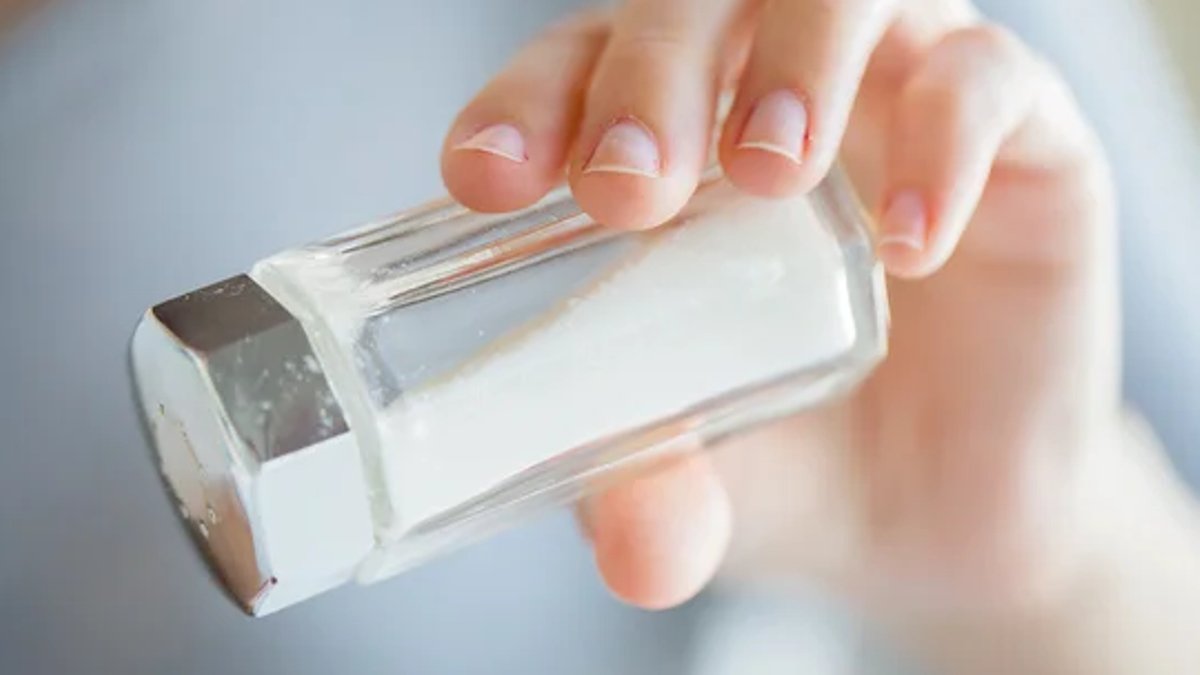
Finding healthy ways to curb salt cravings has become a common goal as average sodium intake far exceeds the recommended limit of 2,300 mg per day, roughly one teaspoon, according to health guidelines.
Understanding the impact of excess sodium
Consuming more than the daily allowance can lead to swollen extremities, persistent thirst, and occasional headaches.
Over time, raised levels strain the cardiovascular system, forcing the heart to work harder and potentially enlarging it. The kidneys also face increased workload, which may impair their ability to filter waste.
Blood vessels are affected as the lining of the arteries becomes less flexible, reducing efficient blood flow. With these consequences, you can see that too much salt intake is harmful. Most people take in at least 1.5 teaspoons of salt per day, which is about 3400 mg of sodium, and also far more than our bodies need. Nonetheless, the body requires just 2300 mg of sodium per day.
Practical steps to lower intake
Start by tracking daily consumption with a simple food diary. Identify hidden sources of sodium in sauces, canned goods, and processed snacks. Small adjustments, such as cutting a quarter teaspoon of seasoning from a recipe, let the palate adapt without a sudden taste deficit.
Related: 10 Vital Fitness Tips for Seniors
When shopping, compare labels and favor items marked “low sodium” or “no salt added.” Choosing fresh produce and whole grains naturally reduces exposure to the mineral, as processed foods account for roughly three-quarters of the average American’s intake.
Cooking at home gives complete control over seasoning levels. Staying well-hydrated can diminish the urge to reach for salty snacks. Sometimes a craving signals dehydration rather than a true desire for seasoning. Drinking water throughout the day helps balance electrolytes and may lessen the impulse to snack.
Hydration helps curb cravings.
In many cases, stress fuels the pattern of reaching for quick, salty bites. Engaging in physical activities or joining a community activity can reduce stress levels and break the association between anxiety and snack consumption.
Comparing this approach to past public-health campaigns reveals a familiar theme: gradual habit change tends to stick better than abrupt bans. Just as sugar reduction efforts succeeded when people were guided to swap sweeteners slowly, easing down sodium mirrors that proven strategy.
Related: Rethinking Alzheimer’s with neuroscientist David Perlmutter
Long-term habits for sustained reduction
Developing a weekly meal plan helps avoid last-minute reliance on processed foods. With a clear schedule, healthier snacks can be pre-portioned, making it easier to stay within the sodium target.
When dining out, opt for restaurants that prepare meals from scratch rather than those that serve pre-made dishes heavy in seasoning. Asking for sauces on the side or requesting less added salt can further control intake.
For individuals with specific medical conditions like hypertension or kidney disease, stricter limits may be necessary. Consulting a healthcare professional ensures personalized recommendations align with overall health goals.
Overall, the combination of mindful tracking, adequate hydration, and stress management creates a full framework. By implementing these steps gradually, most people can align their sodium consumption with established health recommendations without feeling deprived.

10 Vital Fitness Tips for Seniors


