Study ties human milk diet to lower preterm infant death
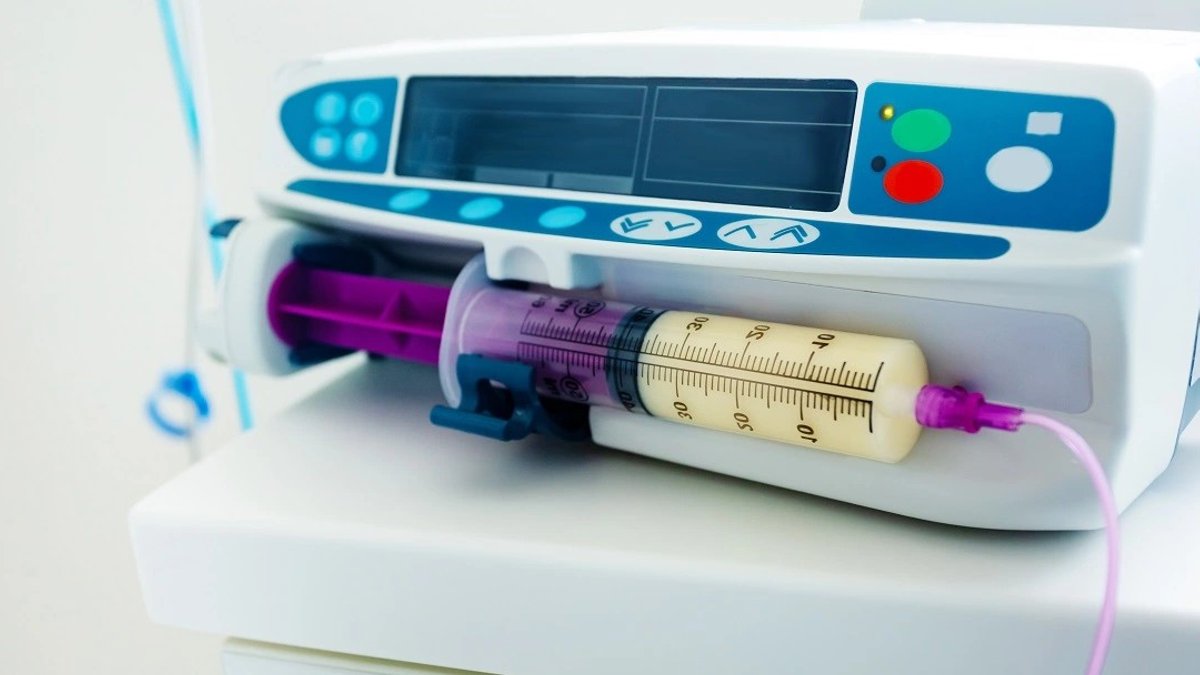
A meta-analysis showing that an exclusive human milk diet reduces mortality by 20% in preterm infants has been published in Frontiers in Nutrition. The study, funded by Prolacta Bioscience, compared outcomes for very low birth weight (VLBW) infants fed human milk fortified with the company’s product against those given cow milk-based alternatives. Researchers found that fortified human milk significantly improved survival rates compared to cow milk-based alternatives.
Study design and findings
The analysis combined data from 14 studies involving 4,713 infants born between 2004 and 2021, with birthweights ranging from 741 to 1,361 grams and gestational ages from 25.5 to 29.7 weeks. The review included five randomized controlled trials alongside nine observational studies, allowing researchers to evaluate both controlled and real-world results.
Infants on an exclusive human milk diet, fortified with Prolacta’s product, demonstrated a 20% lower risk of death before hospital discharge than those on cow milk-based diets. However, this finding reached statistical significance only when randomized trials were combined with observational data. The 20% figure was largely influenced by a single large observational study. Melinda Elliott, M.D., neonatologist and Prolacta’s chief medical officer, described the results as valuable for neonatal intensive care units when making early nutrition decisions.
Read Also: IFF introduces probiotic strain to boost metabolic health through gut-derived
Broader implications and safety standards
This meta-analysis reinforces 20 years of research demonstrating human milk’s benefits for VLBW infants, particularly in reducing necrotizing enterocolitis (NEC), a leading cause of death and disability in premature babies. A separate 2025 review similarly found that human milk-based fortifiers lowered NEC risks compared to cow milk alternatives.
Prolacta highlights its pharmaceutical-grade processing, including vat pasteurization, which inactivates pathogens while retaining bioactive components that support immune function, brain development, and growth. The company states its products undergo more than 20 donor milk screening tests and have been assessed in over 30 peer-reviewed studies showing both short- and long-term advantages.
Japan became the first country to grant prescription drug status to Prolacta’s PreemieFort fortifiers, extending their use to VLBW infants, those with congenital gastrointestinal or heart disorders, and post-surgery patients at risk for poor growth. This decision reflects increasing recognition of human milk’s specialized role in neonatal care.


