Prostate Cancer Treatment Sees Major Advances
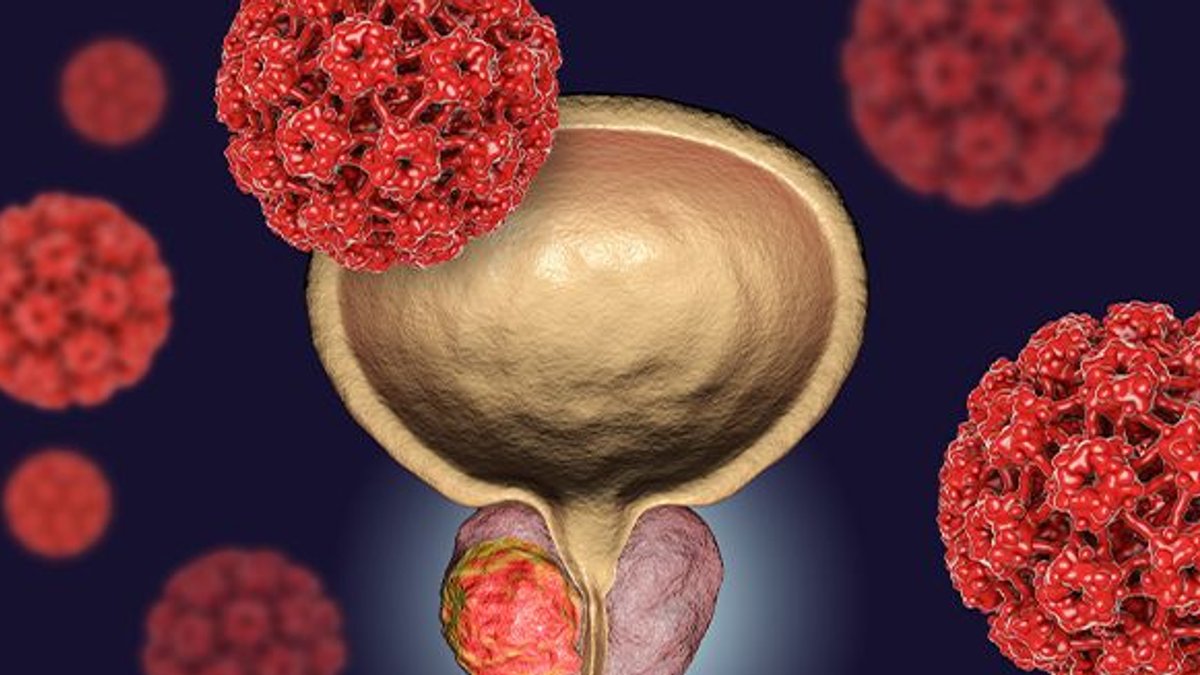
Prostate cancer treatment has undergone significant changes over the past five years, with several new approvals and advancements in treatment options. The pattern behind these changes is the best clue for what’s coming next in prostate cancer treatment.
In 2021, a new kind of scan called PSMA PET, such as Pylarify (piflufolastat F-18), was approved, allowing doctors to find recurring or spreading prostate cancer earlier and more accurately than older scans. This scan is now used to decide who qualifies for newer treatments.
Advances in Treatment Options
In 2022, Pluvicto (lutetium Lu-177 vipivotide tetraxetan), a PSMA-targeted radioactive treatment, was approved for men whose cancer had already spread and stopped responding to chemotherapy. Dr. Richard Wahl, president of the Society of Nuclear Medicine and Molecular Imaging, noted that this therapy is “truly a targeted therapy” and “prolongs survival” but is “not curative of the disease.”
The same year, the ARASENS trial showed that adding Nubeqa (darolutamide) to standard hormone therapy and chemo resulted in a major benefit in newly diagnosed metastatic prostate cancer, cutting the risk of death by about 32%. Dr. Maha Hussain of Northwestern University’s Feinberg School of Medicine said the combination “should be considered a new standard of care” for patients with metastatic hormone-sensitive prostate cancer.
Personalized Treatment Options
In 2023, three new drug combinations were approved, each matched to a specific genetic mutation, allowing treatment to be tailored to a man’s own tumor genetics. These combinations included Lynparza (olaparib) plus Zytiga (abiraterone), Zejula (niraparib) plus Zytiga (abiraterone), and Talzenna (talazoparib) plus Xtandi (enzalutamide). Dr. Rohan Garje noted that these combination options are “definitely exciting” and offer new hope for patients.
For men with metastatic prostate cancer, five-year survival has climbed steadily, from 29% for men diagnosed in 2010 to 43% for men diagnosed in 2021. This improvement is directly related to the availability of new treatments.
Current and Future Developments
In 2024, follow-up data from the ARASENS trial confirmed that the Nubeqa combination lowered hospitalization rates for men with metastatic hormone-sensitive prostate cancer. In 2025, Pluvicto’s approval expanded to cover men with mCRPC before they’d tried chemotherapy, and in 2026, Pluvicto and Nubeqa both reached the earliest point of metastatic diagnosis.
Men must undergo regular PSA screening and discuss their personal risk factors with their doctor to catch prostate cancer early. Early detection gives patients the best chance of successful treatment. Screening is essential for identifying prostate cancer at an early stage.
Prostate cancer survivors offer a simple but important message for those newly diagnosed: take things one step at a time, seek out the care you need, and remember that you have support available. Treatment can be challenging, but connecting with your healthcare team, loved ones, and other people who have been through prostate cancer can help make the journey feel more manageable.
It is essential to seek support when dealing with prostate cancer.
Dr. Richard Wahl’s statement about Pluvicto highlights its importance in treating prostate cancer.
The ARASENS trial’s results show the benefit of adding Nubeqa to standard hormone therapy and chemo.
Men with metastatic prostate cancer have seen an improvement in five-year survival rates due to new treatments.
The expansion of Pluvicto’s approval to earlier stages of metastatic prostate cancer has significant implications for treatment. By allowing its use before chemotherapy, Pluvicto can now be administered to men who may not have previously been eligible, potentially improving their outcomes. Furthermore, the combination of Pluvicto and Nubeqa reaching the earliest point of metastatic diagnosis shows the shift towards earlier intervention in prostate cancer treatment.
Regular PSA screening remains a vital component of prostate cancer detection. By discussing their personal risk factors with their doctor, men can take a proactive approach to their health and increase their chances of early detection. This, in turn, can lead to more effective treatment and improved outcomes.

Staying Fit on the Go Made Easy


