Cancer Research Expands Focus to Whole-Body Impact
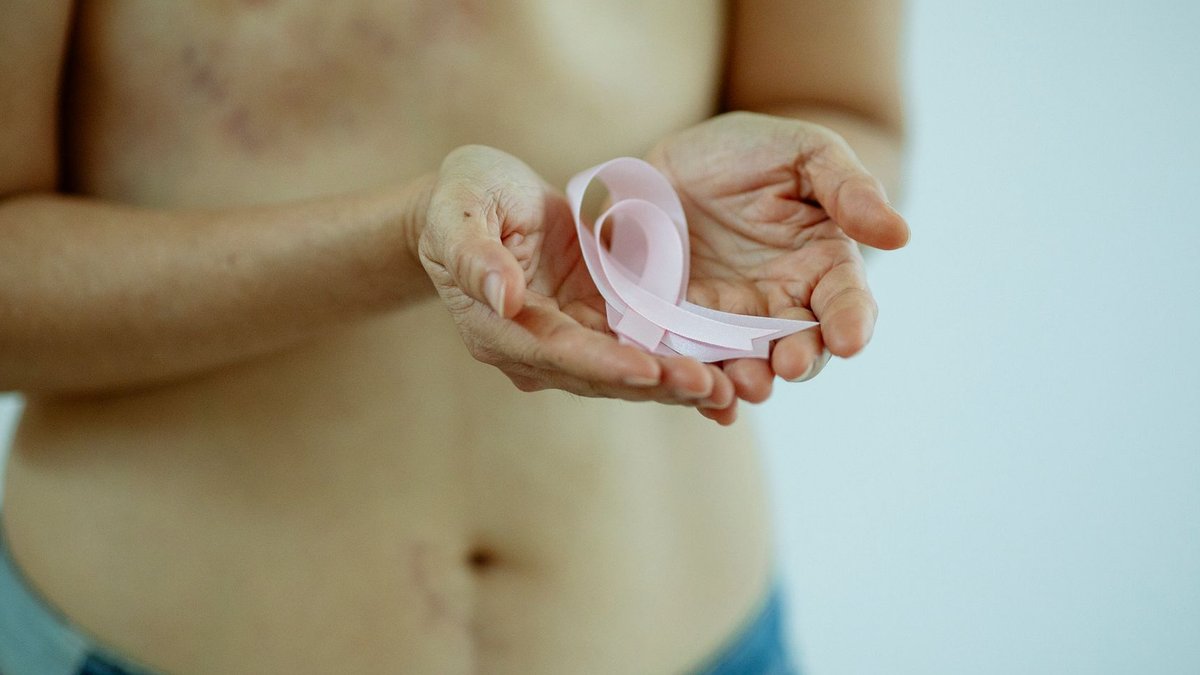
Cancer research is shifting its focus from the tumor itself to the entire patient. For years, studies centered on how cancer cells grow and change, aiming to target them with treatment. But now, researchers recognize that cancer impacts the whole body, not just the tumor site.
Dr. Tobias Janowitz, a medical oncologist and research scientist, highlights this growing area of study. He explains that understanding how the body responds to cancer could lead to better treatments and improved quality of life for patients.
The Body’s Response to Cancer
Janowitz, affiliated with the Feinstein Institutes for Medical Research and Cold Spring Harbor Laboratory, emphasizes that cancer is a whole-body disease. While patients and doctors have long known that cancer and its treatments affect physical well-being, researchers are now uncovering the complex biological communication between organs and systems.
Studying these interactions may help explain why patients experience specific effects from cancer and its treatment. This knowledge could lead to new ways to enhance both treatment outcomes and patients’ daily lives.
The Immune System’s Role
Looking ahead, Janowitz predicts that researchers will increasingly classify cancers based on their responsiveness to immune system activation, rather than their origin in the body. This shift could open up new treatment possibilities for various cancer types.
Research is ongoing to determine if tumors already interacting with the immune system can be made more responsive, potentially expanding treatment options for patients. Additionally, the relationship between cancer, hormones, and the nervous system is an emerging area of interest.
Tumors can disrupt normal signaling throughout the body, affecting appetite and behavior. Understanding these processes may lead to new approaches for managing debilitating cancer-related effects, such as appetite and weight loss.
Patient Involvement in Research
Janowitz highlights the importance of collaboration between scientific and medical disciplines, as well as the growing emphasis on including patients in research. Patient experiences can guide researchers in identifying the most critical questions and outcomes for those living with cancer.
The progress in cancer research over the past decade offers hope, with some cancers becoming curable for certain patients and others manageable as chronic conditions. However, continued progress relies on research, from fundamental discoveries to clinical studies, and on patients participating in these trials.

New lung cancer treatment targets resistant tumors


