8 Tips To Support Kids Returning To School
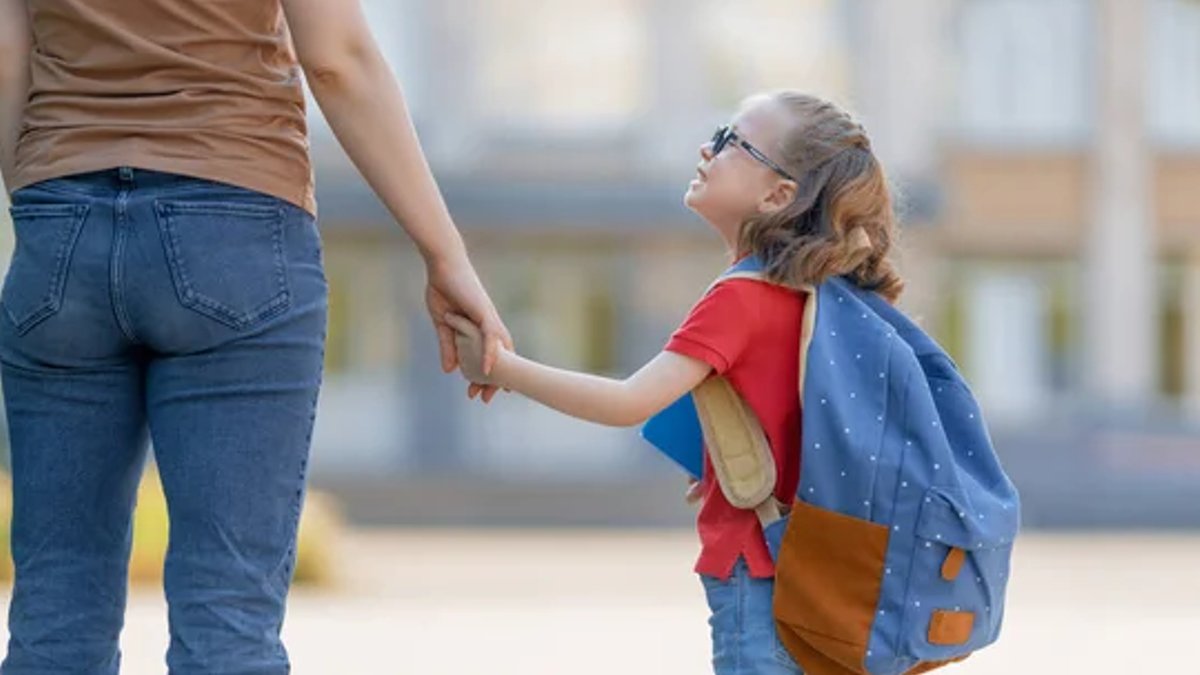
Returning to school often brings a mix of excitement and anxiety, particularly for parents whose children struggled academically during the previous session. If these feelings remain unchecked, they can escalate into significant mental health issues that impair academic performance in the new term. To help children handle this transition and prioritize their well-being, parents can implement several strategies to support their mental state.
One of the most effective ways to reduce back-to-school stress is by managing expectations. Parents should encourage their children to set realistic goals rather than fixating on perfect results. If a child did not attain her expected grade last season, she may feel pressured to achieve it immediately, which can lead to further academic decline if the pressure becomes too much. It is vital to remind the child that it is acceptable if she does not meet every expectation this time around. Reminding her that it is okay if things do not go perfectly helps her be kind and patient with herself.
Related: Top 10 Health Tips for August 2026
During holidays, children are usually free to play and sleep well, making the return to a structured routine a significant adjustment. This shift can cause stress as they try to adapt to the new schedule. To mitigate this, families should use planners, calendars, or digital tools to help children track assignments, exams, and deadlines. Being organized alleviates stress and prevents last-minute rushes that often produce anxiety. Teaching the child to use these tools independently also builds their confidence in managing their own time.
Cultivate Supportive Friendships
Supportive friendships play a significant role in boosting a child’s mental health during the school year. Parents can encourage their children to make new friends by starting simple interactions, such as saying hello to at least one student each day. It is important to teach children that not everyone will be willing to be friends with them and that rejection is a normal part of social interactions. In choosing friends, parents should help their child understand that a few deep friendships are more valuable than a large number of surface-level connections. This perspective helps children stay balanced and prevents the development of an inferiority complex when making new social connections.
Encouraging open communication is another key factor in supporting a child’s mental well-being. Parents should create a non-judgmental space where children feel safe expressing their worries and excitement about the new term. It is helpful to visit the school before the first day to help familiarize the child with the environment, which can alleviate anxiety about the new setting. Additionally, ensuring there is a quiet and comfortable space at home where the child can unwind or engage in relaxing activities supports their overall adjustment. Supporting a child’s interests and hobbies also provides a source of joy, while attending school games can make them feel loved and valued.
Related: 10 Vital Fitness Tips for Seniors
While these strategies focus on the child’s external environment, the internal motivation to succeed often relies on self-compassion. In many academic settings, students are conditioned to view their self-worth solely through grades or accolades, which can be a heavy burden during a difficult transition. By encouraging a child to acknowledge and celebrate small accomplishments—whether in academics or extracurricular activities—parents help shift the focus from performance to effort. This approach validates the child’s journey and builds a foundation of self-esteem that relies less on external validation and more on internal satisfaction.
Encourage Professional Help When Necessary
If a child struggles with mental health issues that significantly impact their daily life, parents should consider seeking professional help from a mental health expert. Encouraging children to speak out without hesitation if they are struggling is essential. They should be taught to talk to an elderly person, a school counselor, or a therapist. It is also important for children to learn to reward themselves for small efforts, as this boosts motivation and self-esteem. Recognizing that everyone’s experience is unique and finding strategies that work best for the specific child is the most effective way to support their return to school.

Top 10 Health Tips for August 2026


