Gentle sports that boost endurance pain-free
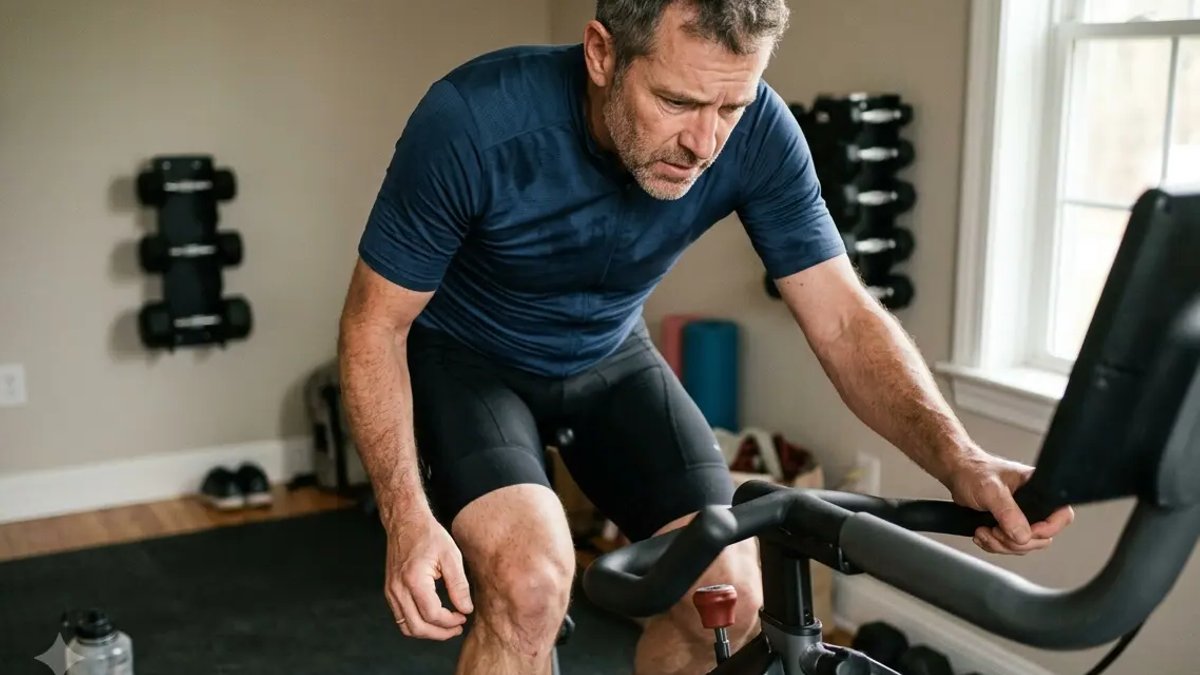
Building endurance does not require harsh impact on joints. For individuals recovering from injury, managing chronic pain, or seeking to avoid post-workout soreness, low-impact sports provide a way to improve cardiovascular fitness without the strain of high-impact activities like running.
Swimming: Full-Body Workout Without Joint Stress
Swimming engages nearly every muscle group while eliminating joint stress. The water’s buoyancy supports body weight, reducing impact to almost zero. Resistance from the water forces muscles to work harder, building strength and endurance.
Stroke patterns can be adjusted for intensity, making workouts adaptable to different fitness levels. Over time, swimmers often experience improved lung capacity and heart health. The sport also strengthens muscles that stabilize joints, which may help prevent injuries in other activities.
Risks exist, however. Shoulder injuries, commonly called “swimmer’s shoulder,” frequently affect competitive swimmers. A systematic review found injury rates between 40% and 91%, with the supraspinatus tendon most often affected. Training volume plays a role—elite swimmers logging over 35 kilometers per week were four times more likely to develop tendinopathy than those swimming less.
Cycling: Adjustable Resistance for Joint-Friendly Cardio
Cycling, whether on a road bike, mountain bike, or stationary trainer, delivers endurance gains with minimal joint impact. The saddle bears most of the body’s weight, while the legs move in smooth, circular motions that avoid the shock absorption required in running.
Related: User blocked after repeated policy violations
Resistance can be tailored to fitness levels, allowing for gradual challenge. Outdoor cycling introduces variability with terrain and weather, while indoor setups offer convenience. Quads, hamstrings, glutes, and calves all develop, but poor bike fit may lead to overuse injuries like anterior knee pain.
Research in the European Journal of Sport Science showed that a saddle set too low increases knee adduction forces, contributing to patellofemoral pain syndrome. This condition accounts for roughly 25% of overuse injuries in cyclists. The solution involves a proper bike fit, targeting a 25-30° knee flexion angle at the bottom of the pedal stroke.
Rowing: Seated Power With Minimal Joint Impact
The seated position eliminates joint impact, making it accessible for many fitness levels. Aerobic capacity and muscular endurance often improve within weeks.
Yet the sport carries risks. The drive position loads the lower back under compression and shear, particularly for those with an anterior pelvic tilt. Proper technique—hinging from the hips and bracing the core—can reduce this risk.
Many people reach a plateau after a few months of low-impact training, assuming more time will yield better results. The problem is not volume but intensity. Most recreational cyclists spend nearly all their time in Zone 2 (60-70% of max heart rate), which builds an aerobic base but does not push VO2 max, the limit of cardiovascular fitness.
Swimmers face a different issue: water suppresses heart rate, making it difficult to measure true effort. Perceived exertion in the pool does not always match cardiovascular load. Cross-training between sports can help—cycling and running transfer well, but swimming’s benefits often remain specific to the water.
Related: Cosmetic Dentists Offer Range of Benefits
A structured approach can break through plateaus. Instead of adding minutes, vary intensity. An eight-week cycle might start with 80% Zone 2 work, then introduce Zone 4 intervals, followed by a recovery week. Heart rate drift, where the same pace requires more beats per minute, signals the need for adjustment.
Common Misconceptions About Low-Impact Training
Low-impact sports are not inherently safer. Poor mechanics or excessive volume can still lead to overuse injuries, often without immediate pain. The difference from running is not that one is risk-free—it is which tissues bear the load and how quickly damage accumulates.
Another false belief is that low-impact means low effort. Physiological demand, measured by heart rate and oxygen consumption, can match or exceed running at the same duration. Elite athletes use cycling and swimming to increase training volume without joint breakdown, proving these sports are not just for injury recovery.
The biggest misconception is that low-impact training does not require planning. Progression, intensity variation, and structured cycles still matter—just with a focus on load distribution.
Choosing a low-impact sport does not mean sacrificing results. Swimming and cycling can build endurance without joint damage. Success depends on consistency, proper technique, and knowing when to increase intensity rather than just duration. For those considering when to see an oral specialist, maintaining overall fitness can also support long-term health.


