Home Cooks Celebrate New Adobo Seasoning Recipe
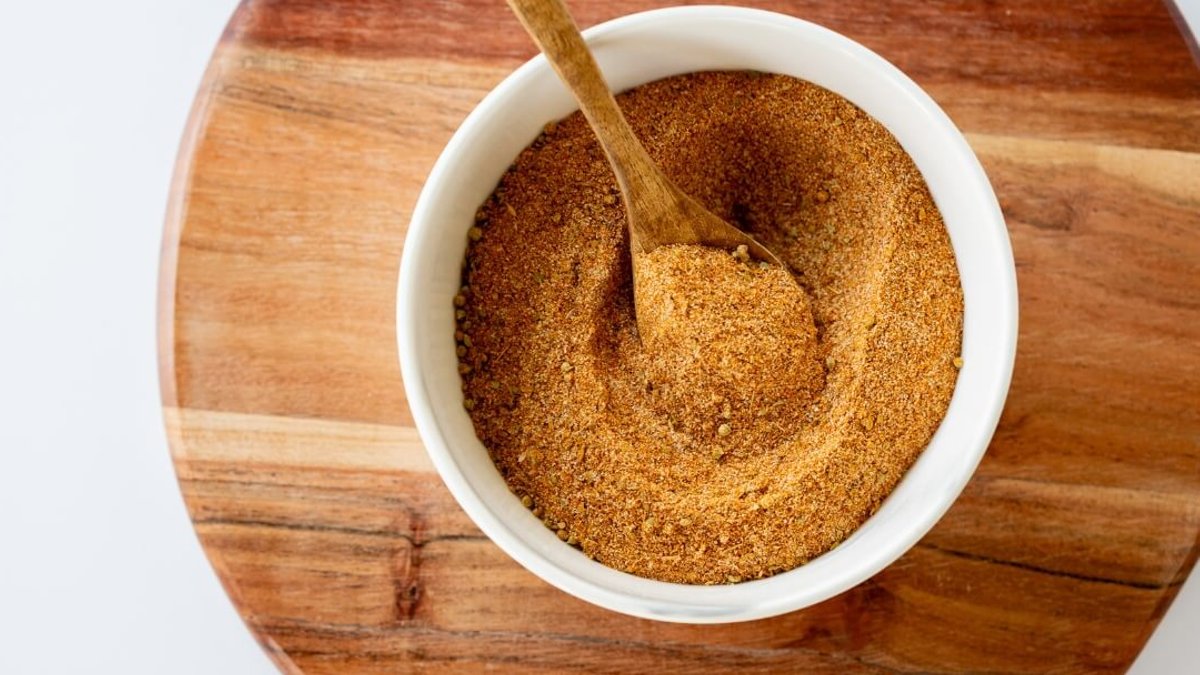
Home cooks often turn to an adobo seasoning recipe that can be prepared in bulk and kept on hand for everyday meals.
What makes adobo seasoning distinct
The mix typically combines garlic powder, dried oregano, black or white pepper, turmeric, onion powder, cumin, paprika and a touch of chili powder. Salt is usually included, though the amount can be reduced or omitted to control overall sodium levels.
Originating from the Spanish verb “adobar,” meaning to marinate, the seasoning appears in Latin American, Caribbean and Filipino cuisines. Unlike some spice blends that rely on strong, pungent flavors, adobo’s profile is mild enough to complement a wide range of dishes without overwhelming them.
Step‑by‑step preparation
Store the finished blend in an airtight container away from heat and direct sunlight. Proper storage preserves flavor for roughly six months, making it a convenient pantry staple.
For a lower‑salt version, leave out the salt during mixing and add it later when cooking, which can be useful when the seasoning is used alongside other salty components.
How cooks use the blend
Home chefs frequently employ the mixture as a dry rub for beef, poultry, or fish, or blend it with oil, orange juice, lime juice, or vinegar to create a paste for marinating. It also works well when stirred into homemade mayonnaise, lending a subtle depth to the condiment.
Related: New Creamy Chocolate Chia Pudding Takes Sweet Spot
Beyond proteins, the seasoning can be sprinkled on roasted vegetables, incorporated into soups, or folded into egg dishes such as omelets and quiches. Its versatility extends to seafood, guacamole and even simple grain‑based meals.
Because the base spices are common pantry items, the blend can be tailored with additional herbs or adjusted for heat by varying the chili powder proportion.
Making a double batch reduces the frequency of refilling containers. Bulk purchasing of herbs and spices, as the source recommends, helps avoid additives often found in commercial mixes and can lower overall costs.
Keeping a homemade adobo mix nearby simplifies seasoning decisions. Instead of reaching for multiple individual spices, cooks have a single, ready‑to‑use mix that adds flavor without the need for precise measurement each time.
Nutritional snapshot
One serving provides minimal calories, with 0.4 g of total fat and 5 g of carbohydrates, including 1 g of fiber. Sodium content is 880 mg, accounting for 38 % of the daily value, while protein contributes 1 g. Vitamins and minerals are modest, offering 385 IU of vitamin A and small amounts of vitamin C, calcium and iron. This profile shows that the blend adds flavor without significantly altering the nutritional profile of the dishes it seasons.
Overall, the mix adds flavor without significantly altering the nutritional profile of the dishes it seasons.

New Creamy Chocolate Chia Pudding Takes Sweet Spot


