Running Gear Worth Buying and What to Skip
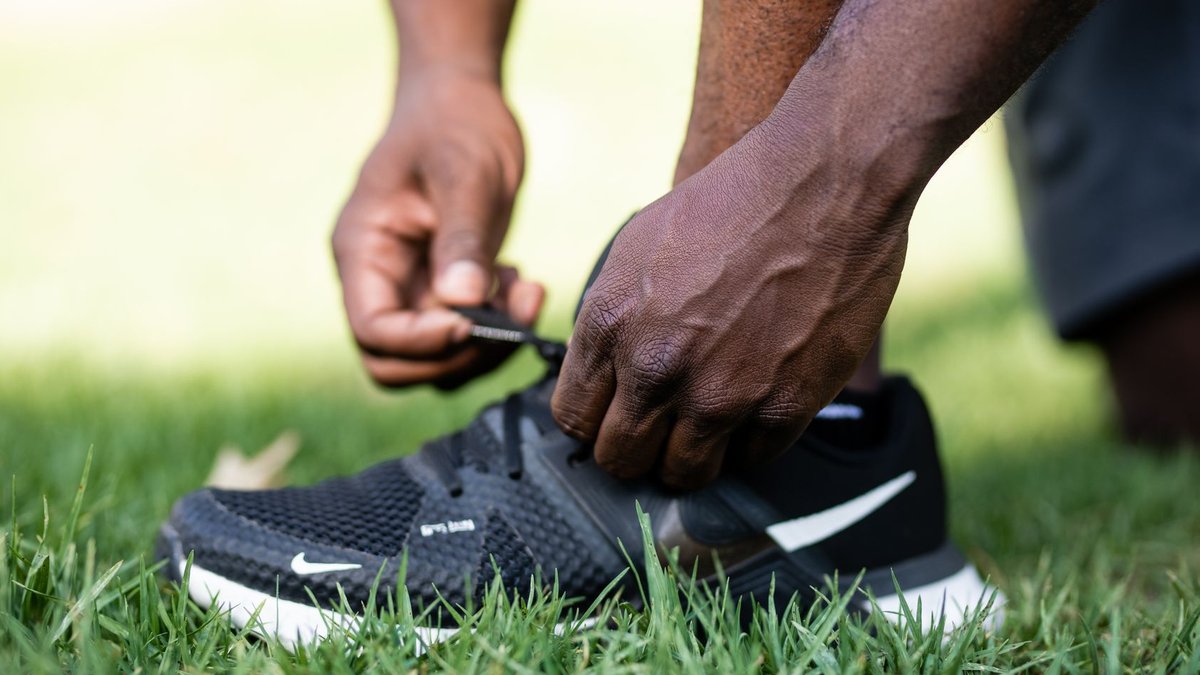
Running is a low-cost sport, yet gear costs continue to rise. A long-sleeve shirt can cost $120, and compression boots often require a much larger budget. For twelve years, a runner in the Northeast has focused on performance over appearances, asking only if a purchase will improve speed or endurance. This approach helps separate essentials from luxuries.
Head-to-Toe Spending Strategy
Simple gear like hats and shirts often does not justify the price. A cap keeps the face shaded and head ventilated, which is all that matters. Many caps are freebies from events and expos. T-shirts offer little value unless they provide specific technical benefits. Sunscreen works on any fabric, and cotton shirts are durable enough for a workout. Even “free” race shirts get worn, even if the design is not attractive.
Shorts present a clearer division between saving and splurging. Split shorts need only a loose fit, a comfortable liner, and a small pocket. Cheap options like Baleaf or Nike Challenger models work well. In contrast, half tights require better materials. More fabric means more friction on the skin, so higher quality prevents chafing. Premium versions also offer secure pockets that hold a phone in place during a run.
Socks are another area where savings are possible. Cotton absorbs sweat better than polyester, despite the common marketing of “wicking” materials. A six-pack of cotton socks from a discount store often performs better than expensive alternatives. Near Earth crew socks, priced at $24 per pair, look cleaner and match race kits better, justifying the extra cost for race day.
Trainers are the single most important investment. Shoes directly impact performance and injury prevention. Buying last year’s models saves money without losing much technology. A pair of New Balance 1080 in an older version might cost under $100. Racing shoes are also worth the splurge. Carbon-plated shoes like the Adidas Adios Pro 5, which costs $275, feel faster, but they degrade after about 200 miles. Saving them for key workouts extends their lifespan.
Read Also: Shokz OpenRun Air 2 Enhances Safety Battery Life
This reliance on basic gear contrasts with the modern trend of tracking every metric. GPS watches, often priced near $500, offer data on ground contact and suggested workouts. The writer prefers the bare-bones Garmin Forerunner 10, which cost about $100 and worked until the strap broke. The extra features on high-end models rarely improve the actual running experience.
Accessories like gloves and sunglasses are easy to lose. Cheap, functional options work just as well as expensive ones. Sunglasses from Goodr, starting at $25, provide necessary protection without a high price tag. Gloves from a sporting goods store for $30 have lasted a decade. Outerwear also requires a split decision. Cotton sweatshirts are fine for casual wear, but shell layers like rain jackets are worth the extra money. A jacket that keeps the body dry is more valuable than a hoodie that offers no protection against wind or rain.
Tracking and Extras
Technology in running has grown rapidly. GPS watches provide vast amounts of data. They measure ground contact and suggest specific workouts. These tools can seem essential to some runners. However, a bare-bones Garmin Forerunner 10 works for basic needs. This older model costs around $100 and served its purpose until the strap failed. High-end watches offer many extra features, but they do not always improve the running experience itself.
Weather Protection
Deciding on outerwear requires a split decision. Cotton sweatshirts are fine for casual wear. A college sweatshirt provides comfort and warmth without a high price tag. However, shell layers are worth the extra cost. Rain jackets and windbreakers keep the body dry and warm. The difference between staying wet and shivering versus being dry and comfortable is significant. A lightweight jacket from a brand like Lululemon, priced at $148, is considered a worthwhile investment for many runners.


